
In today’s fast-paced and connected digital world, we are exposed to a constant stream of information from various sources every day. But did you know that consuming too much content that doesn’t challenge us intellectually can have a negative impact on our brain? This is what is known as brain rot. Brain rot refers to the decline in cognitive abilities due to unproductive mental habits, such as excessive exposure to social media, watching non-educational content, or overdoing multitasking. This condition can cause our brains to lose critical thinking, focus, and the ability to think deeply.
The effects of brain rot are not just about thinking abilities but can also affect our daily life. Many of us experience difficulty concentrating on important tasks, have shorter attention spans, or even feel anxious and stressed. Social media, video games, or excessive entertainment content can distract us from more productive and important things like studying or working. As a result, our brains get trained to seek instant gratification rather than solving more complex problems. If left unchecked, this can reduce our learning ability, productivity, and overall mental well-being.
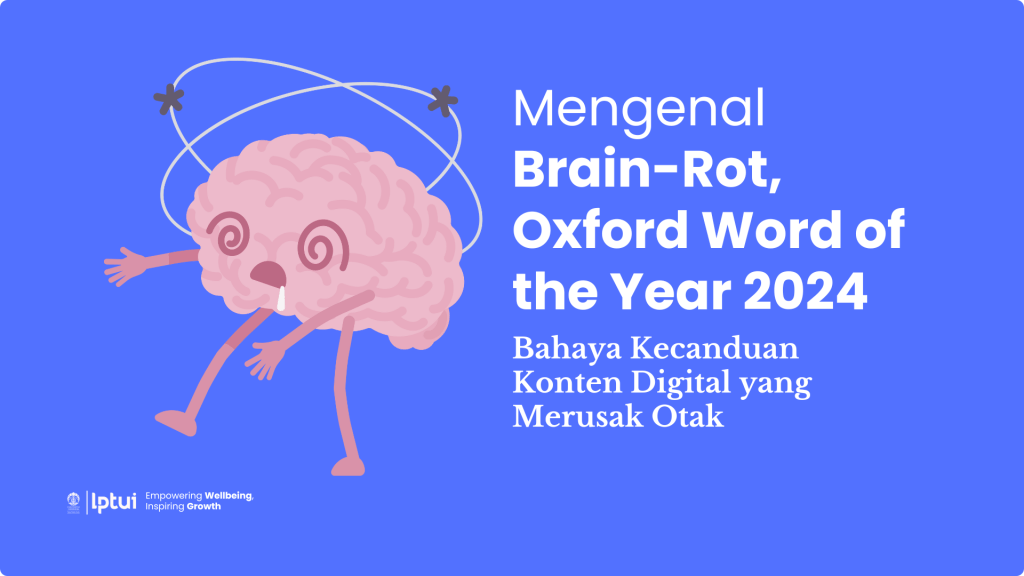
This situation is even more worrying because, especially among the younger generation and students, we are becoming trapped in an endless digital routine. In one day, we can spend hours scrolling through social media or watching videos without any clear purpose. However, exposure to light or non-educational content can diminish our memory, thinking sharpness, and even creativity. This can lead to a dependency on instant stimulation and hinder the development of deeper cognitive skills. Therefore, it is important for us to realize the potential brain rot happening and take steps to address it.
To reduce the impact of brain rot, there are several steps we can apply in our daily lives. First, manage social media usage wisely. Set specific times in the day to check social media and limit the duration. Don’t let social media take up valuable time that could be spent on more productive activities. Second, challenge your brain by learning something new. Set aside time each week to read challenging books, take online courses, or even learn a new skill that broadens your horizons. This will keep your brain stimulated with useful information. Third, avoid excessive multitasking. Focus on one task at a time and use techniques like Pomodoro to improve concentration. Lastly, take care of your mental health by engaging in activities that relieve stress, like exercising or meditating.
Reducing brain rot is not easy, but with consistent changes in habits, we can sharpen our cognitive abilities and lead a more productive and meaningful life. This is especially important in a world full of digital distractions. We must remember that our brains are tools that need to be constantly trained and cared for to remain sharp and ready to face the challenges of an increasingly complex world.